Category Archives: Speleology

Along the routes of the “Tren Maya”

Leer en Español

One of the distinctive features of the northern Yucatán Peninsula is its relatively flat topography, devoid of valleys or mountains, with elevations barely exceeding 30 meters. The terrain is primarily composed of limestone, or sascab (white earth), which contains calcium and magnesium carbonates that are slightly soluble in water.

In this type of rock, dissolution processes of the limestone are common, creating voids and conduits that grow over time, forming extensive underground galleries and intricate cave systems. This process is called karstification, derived from the Karst region in Slovenia, which has served as a reference for describing its characteristic landscapes. For this reason, the soil in the peninsula is often referred to as “karst,” more accurately describing a mass of rock that has undergone the geomorphological processes of karstification. In fact, this process continues to occur today.

Systematic exploration of the underwater caves in Quintana Roo began in Tulum in the mid-1980s. Various diving teams started exploring the region’s cenotes and discovered extensive passages that expanded as they connected their records.

Underwater Caves of Quintana Roo
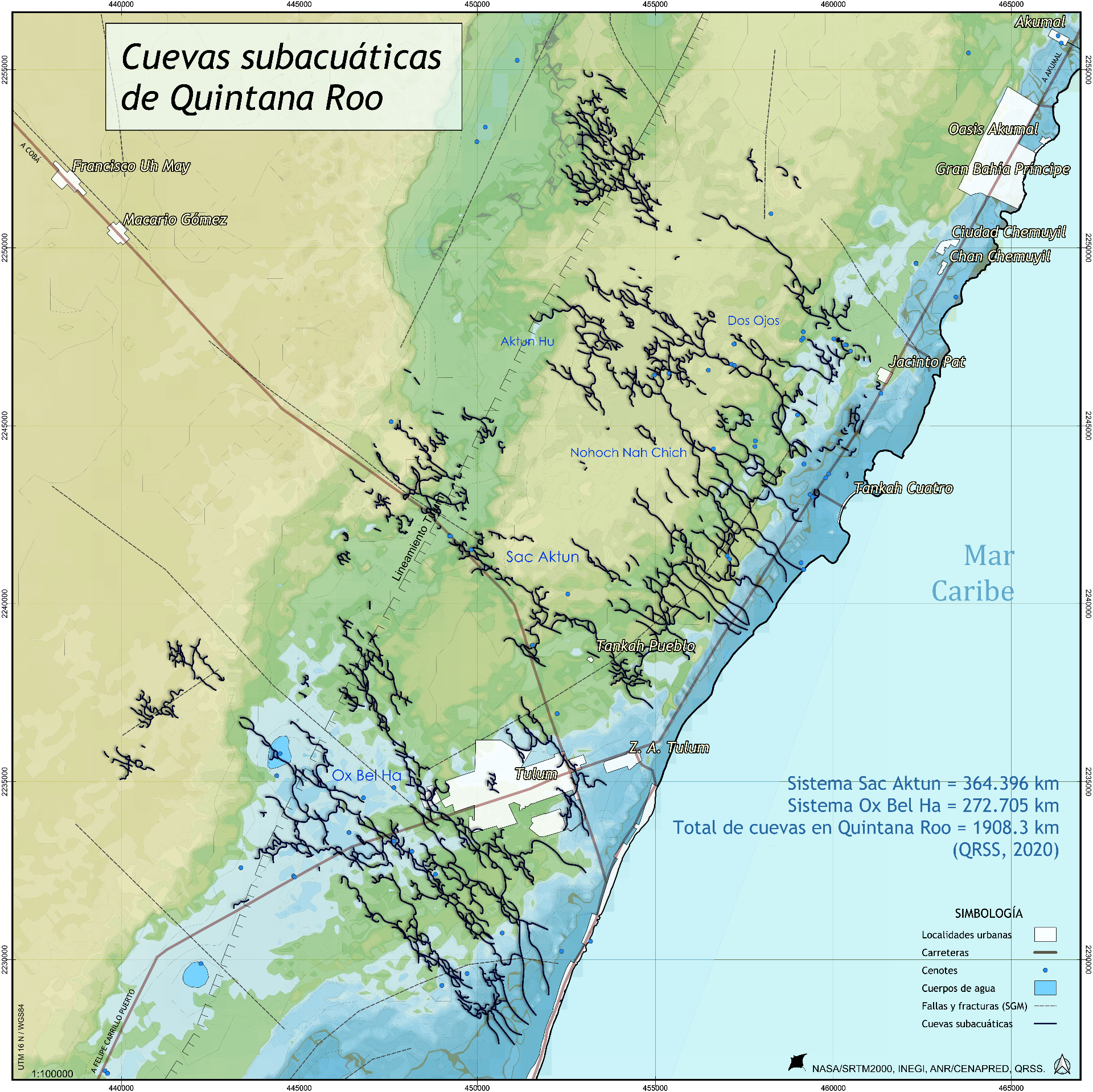
Cuevas subacuáticas de Quintana Roo
In the Tulum area, over 630 kilometers of underwater caves have been explored and mapped in nearly 35 years of exploration. In Quintana Roo, approximately 1,800 kilometers of known caves exist, with many more yet to be explored (QRSS, 2019). The Tren Maya project must ensure their preservation. It should be noted that the presented image contains data from the National Risk Atlas (CENAPRED/SEGOB), where the caves are misaligned and distorted compared to original exploration maps.

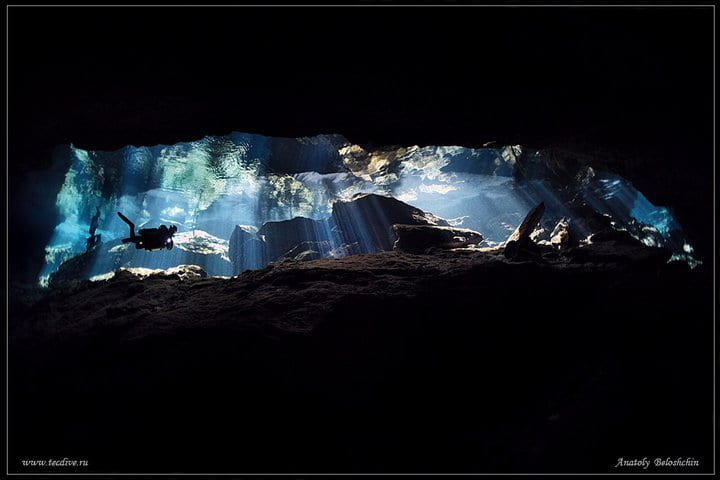
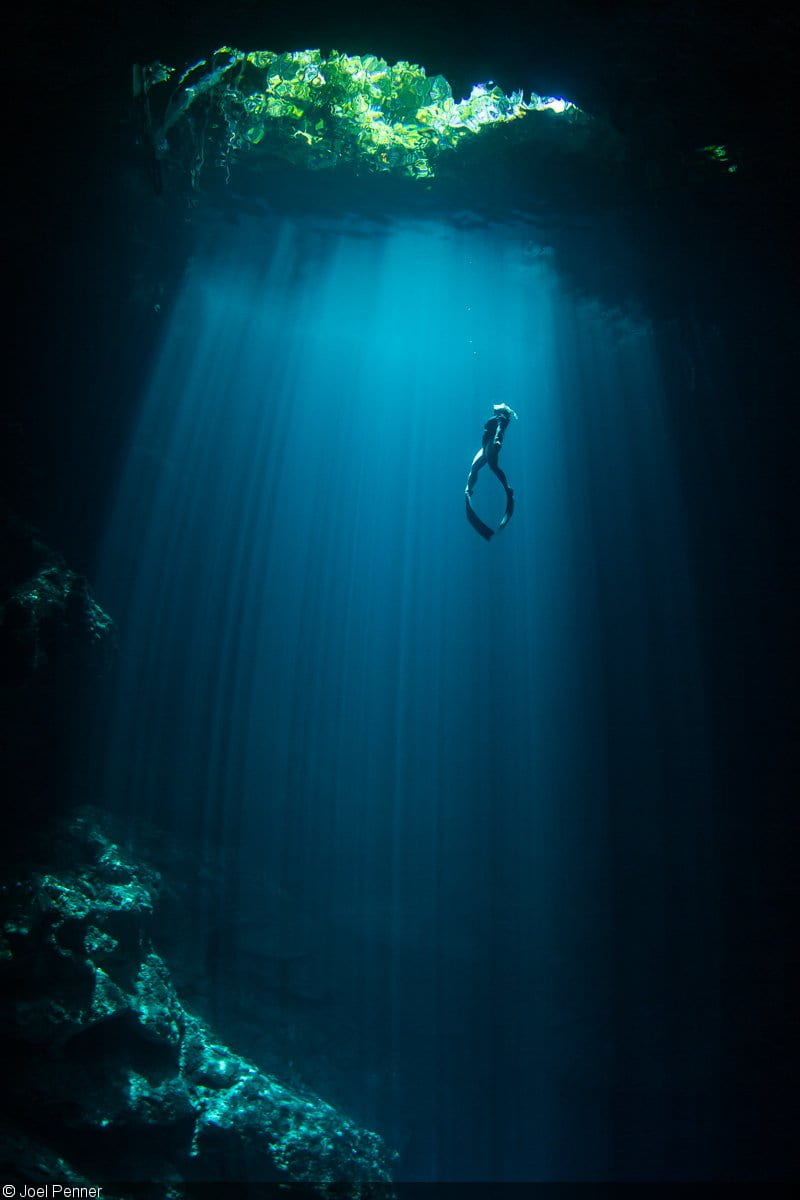
The longest underwater cave on Earth is located beneath the municipality of Tulum in Quintana Roo, Mexico. It spans over 360 kilometers at an average depth of 21 meters and a maximum depth of 120 meters in a deep cavity called “El Pit.” The Sac Aktun System, meaning “white cave,” discharges infiltrated rainwater through the rock into the Caribbean Sea via springs and inlets such as Xel Ha and Yalkú. When sea levels drop, caves previously filled with water become air-filled, losing support and causing the collapse of the roof in various sections, creating access points to the cave. The Sac Aktun System has over 220 cenotes.
Speleogenesis: How were caves and cenotes formed?

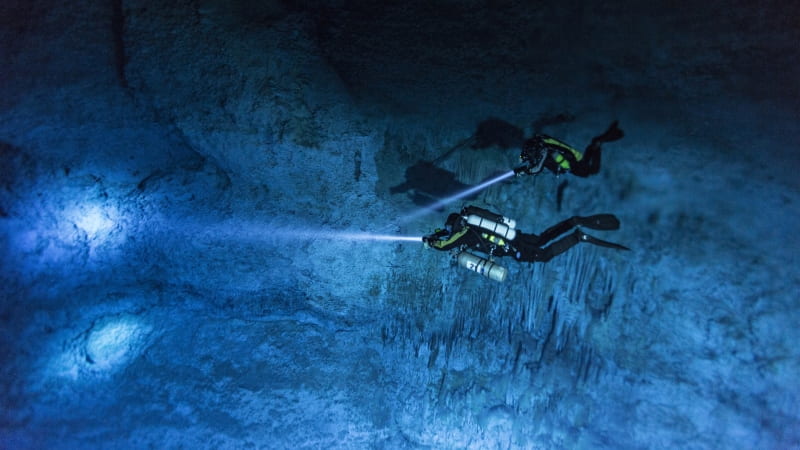
Divers explore the Sac Aktun underwater cave system beneath the Tulum area. Photo: Gran Acuífero Maya Project.

Anthropological Findings

The extensive cave system beneath the Yucatán Peninsula has proven to be a guardian of invaluable anthropological and paleontological treasures for understanding history. Remains of Pleistocene animals and humans, dating back long before the Maya civilization, have been found in its underwater passages and galleries. Underwater, these caves provide a unique environment for preserving human and animal remains.
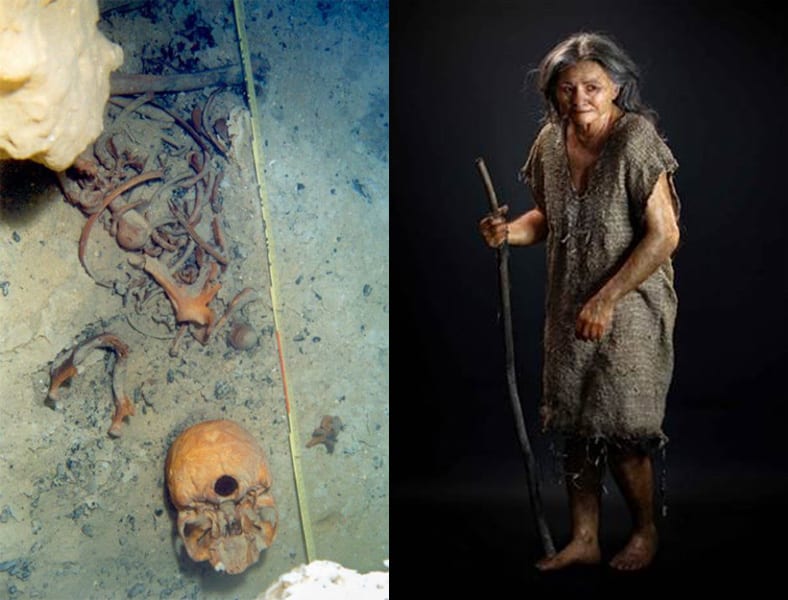
The Woman of Las Palmas raises new questions about how and when our ancestors arrived on this continent.

In 2006, the nearly complete (90%) skeleton of the “Woman of Las Palmas” was found in another underwater cave 4.5 km from Tulum, corresponding to a woman aged 45–50 years and 1.52 meters tall. These findings are key to understanding the peopling of our continent.

A few years earlier, in 2004, the remains of the “Woman of Naharon,” aged 20–25 years, were found at a depth of 23 meters and 370 meters from the nearest entrance in the Naranjal System. Her remains were dated to 13,600 years ago, although this date is under dispute, and further dating is ongoing.
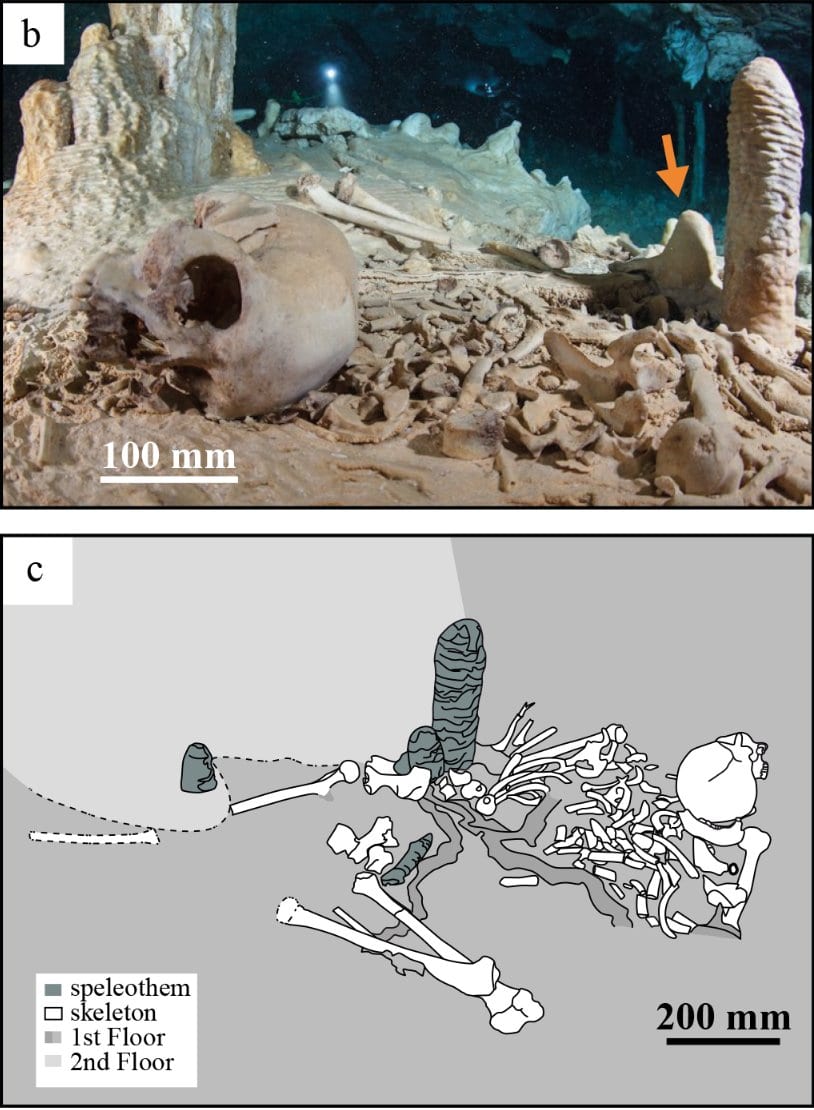
The Chan Hol II archaeological site before it was vandalized. The skeleton was originally complete and nearly articulated. Photograph by Nick Poole and Thomas Spamberg (Stinnesbeck et al., 2017).

The “Youth of Chan Hol” was found in the Chan Hol cenote of the 32-km-long Toh Ha System. The body was possibly placed in a funerary ceremony at the end of the Pleistocene, when sea levels were 120 meters lower and before the caves the youth explored were flooded. Isotope analysis of a speleothem associated with the bone suggests an age of ~13,000 years. In February 2012, various media reported the findings, and days later, the cave was vandalized, with many bones stolen between March 16–23 by unidentified individuals. For this reason, many locations are kept secret.

The Story of Naia

In March 2008, in the Aktun Hu section of the Sac Aktun System, in a place called “Hoyo Negro,” the remains of a woman aged 15–17 years, named Naia, were found at a depth of 42 meters, with an estimated age of 12,000–13,000 years.
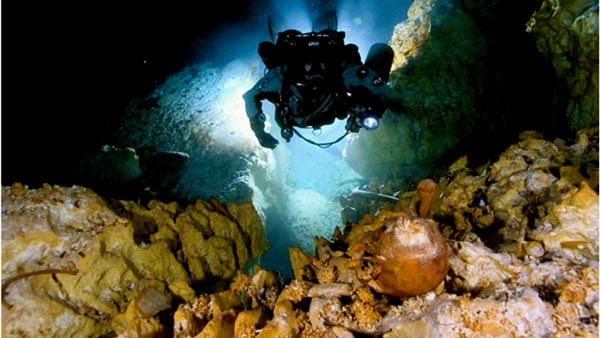
Álvarez, one of the original divers who discovered Hoyo Negro, an underwater cave in the Yucatán Peninsula filled with ancient human and animal bones, later returned as part of an expedition to recover and study Naia, one of the oldest and best-preserved skeletons ever discovered in the Americas.

Exploring divers found her in her underwater tomb, alongside remains of other animals identified as saber-toothed cats, gomphotheres (related to modern elephants), giant tapirs, boars, bears, pumas, bobcats, coyotes, coatis, and bats.

In the years following the discovery, careless divers handled the remains, and to prevent further interference, the bones were removed from the cave between 2014 and 2016, enabling further scientific studies. Mitochondrial DNA analysis of Naia has indicated a genetic link between Paleo-Americans and modern Native Americans.
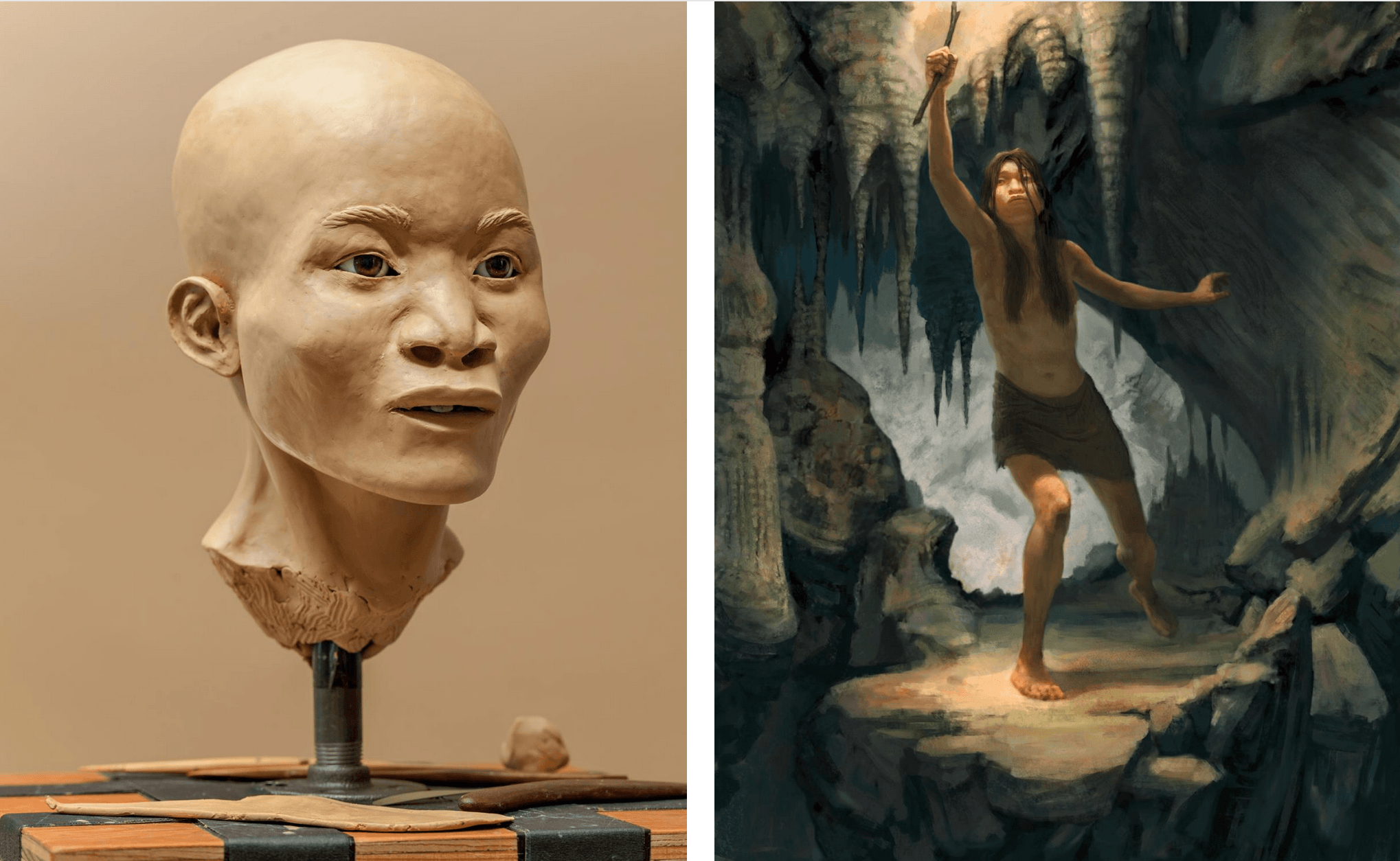
Left: Naia’s facial reconstruction reveals that the first humans to set foot on the continent did not closely resemble Native Americans, though genetic evidence confirms their shared ancestry. Right: The cave was predominantly dry during Naia’s short life; she may have fallen while exploring its dark passages. Recreation: J Chatters / Applied Paleoscience: T McClelland / Photography: T Archibald / Art (right): J Foster (National Geographic, 2015).

Carbon-14 dating of her tooth enamel yielded a maximum age for Naia of approximately 12,900 years. Calcium carbonate accumulations that grew over Naia’s bones have been dated to 12,000 years using the uranium-thorium (U/Th) method.

The Karst-Anthropogenic System

The caves and cenotes of the Yucatán Peninsula have been used as shelters and for other activities for a long time. Based on their use, they could be subdivided into sanctuaries, utility rooms, and places where water and sascab were extracted.
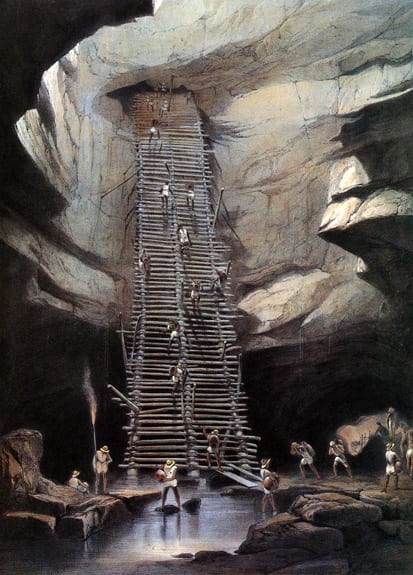
Cenote Xtacumbilxunan, in Bolonchén (‘nine water wells’), Campeche. This village escaped the 1833 cholera epidemic. The only source of freshwater flows deep beneath thick layers of limestone. Lithograph by H Warren. Image published in “Views of Ancient Monuments in Central America, Chiapas and Yucatan” – Frederick Catherwood (1844).

Caves with natural lighting were used as workspaces: pottery, grinding stones, and other stone items have been found in them. The third group of caves was used to collect clay or sascab for making pottery or as stucco for finishing house walls. It is evident that the underground cavities were partially modified or rebuilt during their use by their inhabitants.
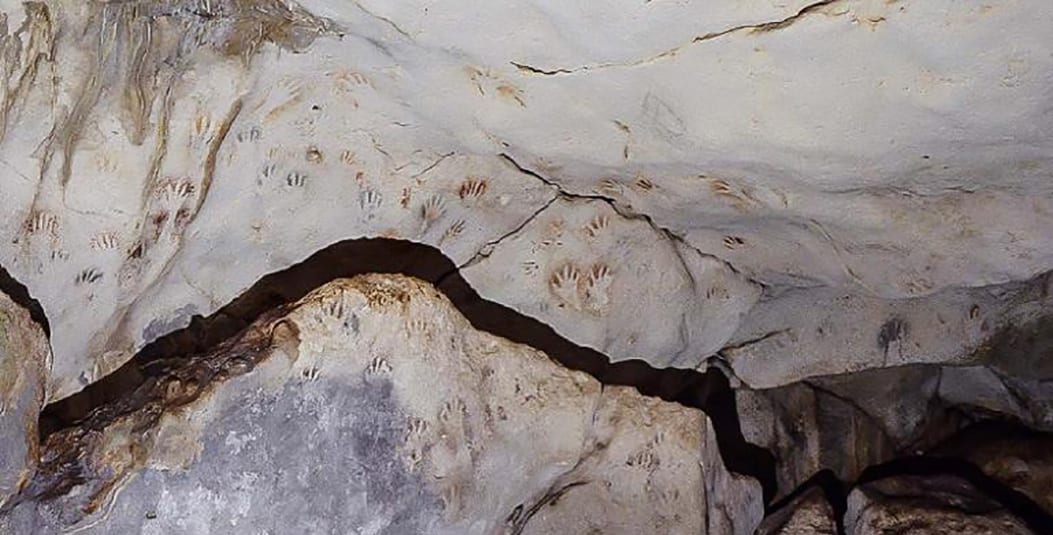
Handprints in a cave in Yucatán (Pic: Sergio Grosjean).

In the 1980s, the Yucatán Peninsula, particularly Quintana Roo, experienced the beginning of a tourism development boom and a significant transformation of the karst system with a strong anthropogenic component.

Cave and cenote systems are subject to mechanical destruction by explosives or machinery, as occurs in many sites adapted for “rafting” in phreatic caves (underground rivers), which increases the infiltration of contaminants into deeper layers.
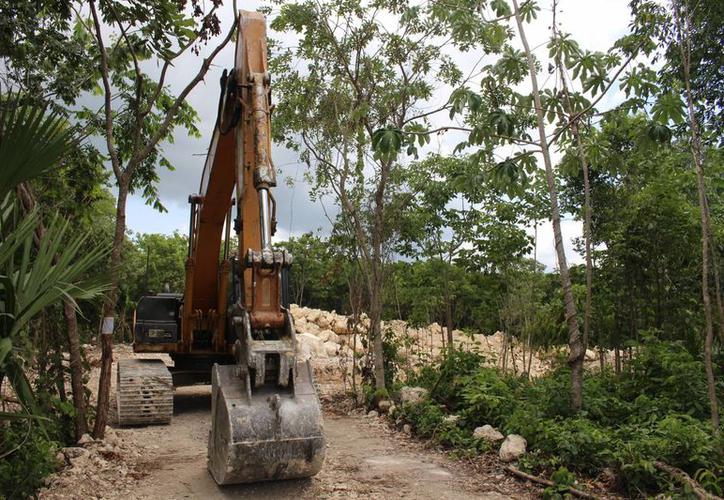
Currently, the impact on the karst landscape of the Yucatán Peninsula is considerable, also associated with tourism and intensive visits to archaeological zones, caves, and cenotes.
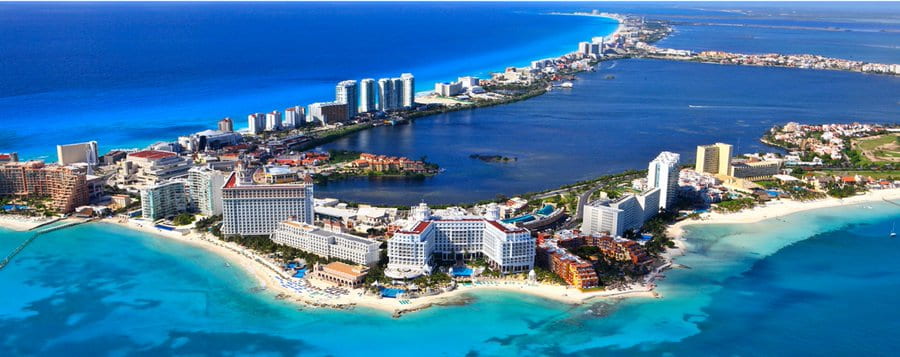
Punta Cancún, where a portion of Cancún’s hotel zone is located.

The Tren Maya, if completed, must safely address the technical challenges of crossing over the world’s largest underwater cave systems, such as the Sac Aktun and Ox Bel Ha systems. Like these, dozens of systems exist along the eastern coast of Quintana Roo.

The most comprehensive list and associated maps of Quintana Roo’s underground systems are published by the Quintana Roo Speleological Survey (QRSS).
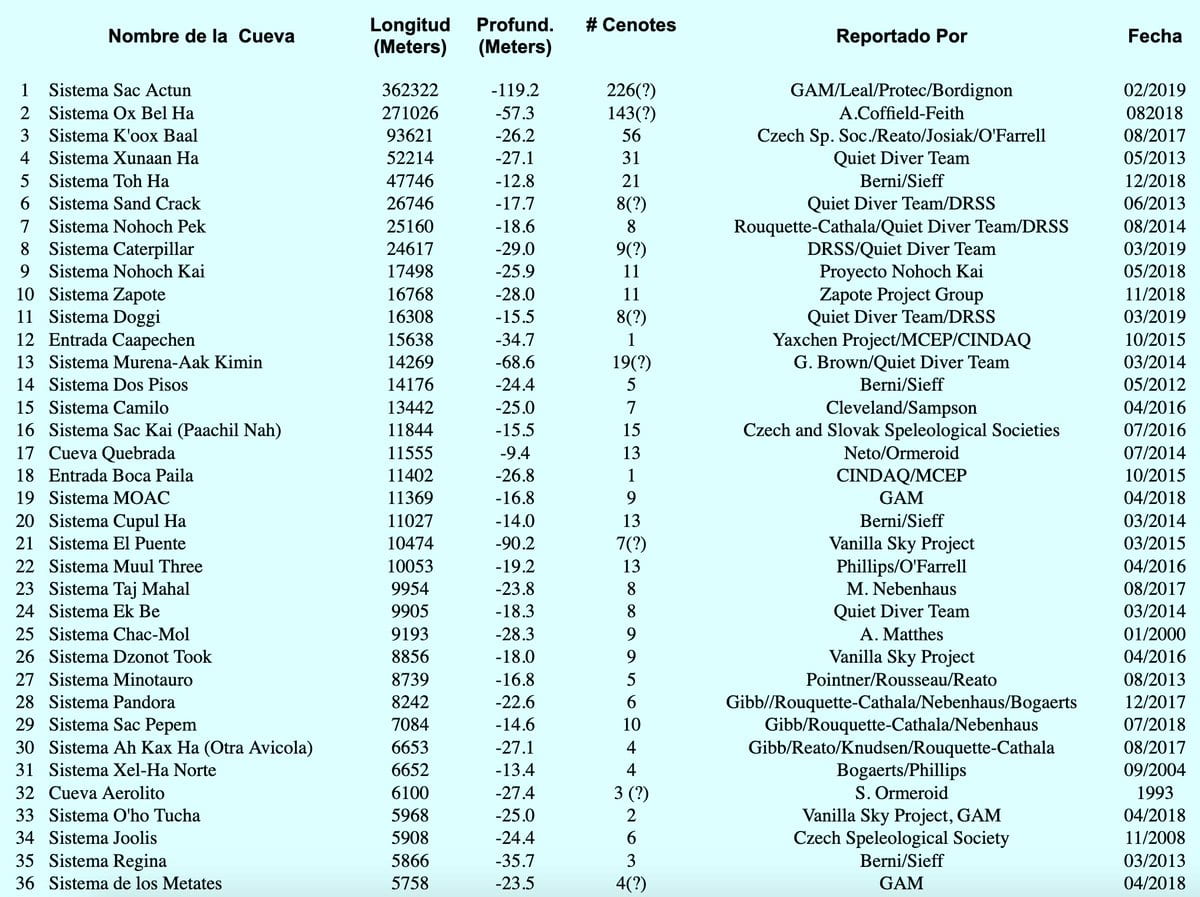
Source: QRSS. Updated July 18, 2019.

Hydrogeological System

The Sac Aktun System is just one of many caves that discharge infiltrated rainwater from the subsurface into the Caribbean Sea, acting as natural drains. Collapses in various roof sections have formed over 220 cenotes, used for commercial and recreational purposes around the Tulum area.

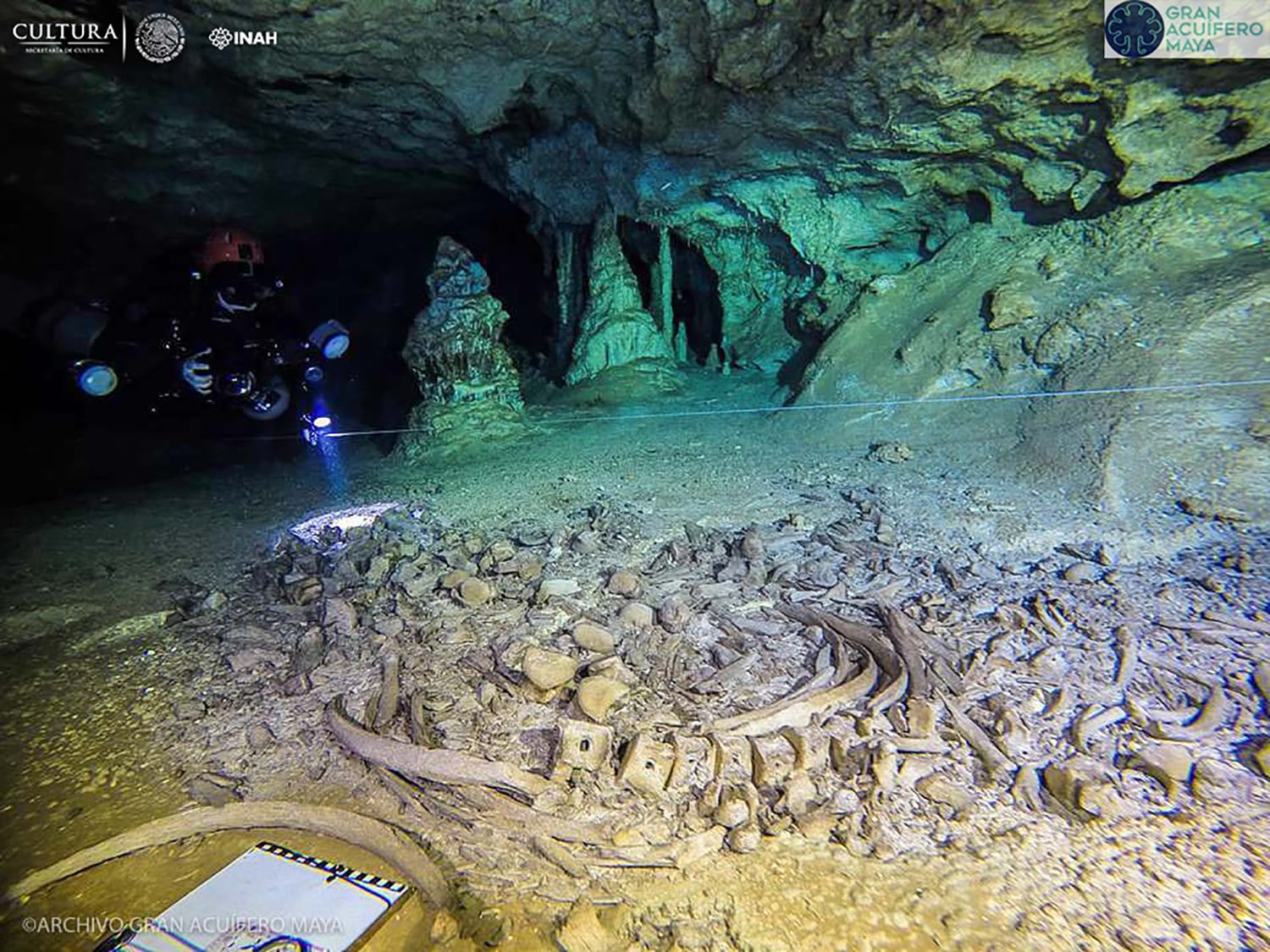
Sac Aktun System. Photograph: Gran Acuífero Maya (GAM)/INAH Archive.

The area containing Sac Aktun has a cave density of 2.9 km/km². In the Ox Bel Ha area, the cave density reaches 5.2 km/km². These cave systems maintain the hydrological balance of the region by discharging infiltrated rainwater into the Caribbean Sea.


Today, the term “cenote” is used to designate any underground space with water and an opening to the outside. Cenotes form when thin sections of the roof collapse onto the cavities along the cave, creating new entrances to the underground world.
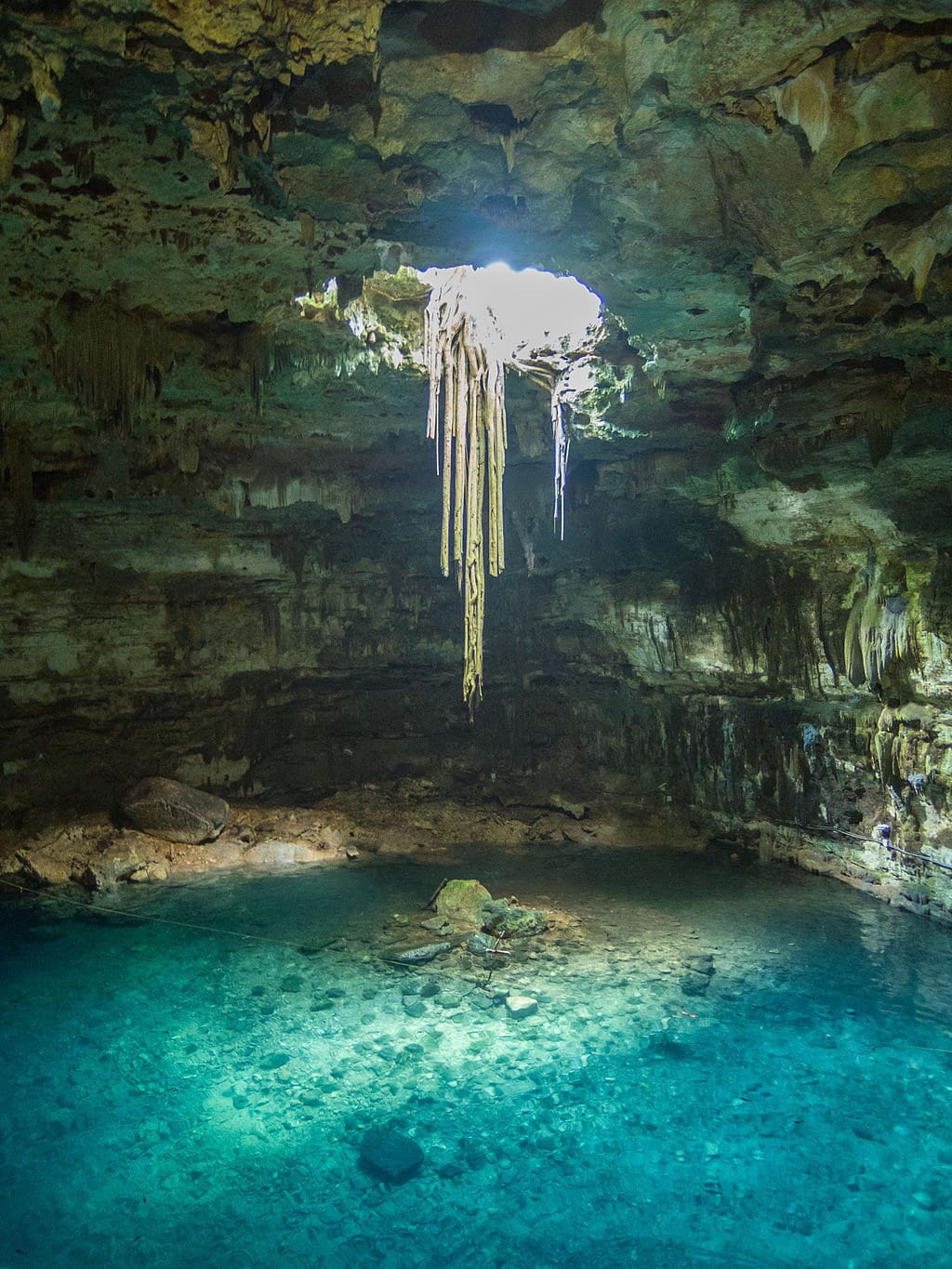
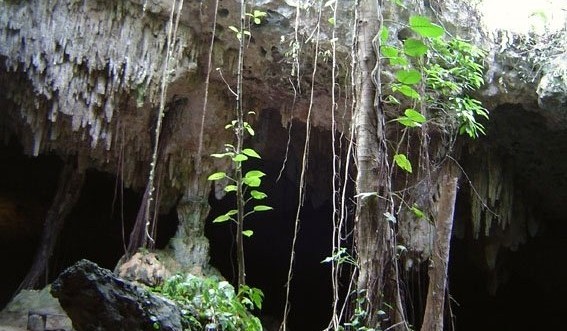
In the Samulá cenote in Valladolid, Yucatán, one can clearly observe the pile of rocks that collapsed from the roof on the floor. Recent stalactites and roots descending from the surface in search of water are also visible.
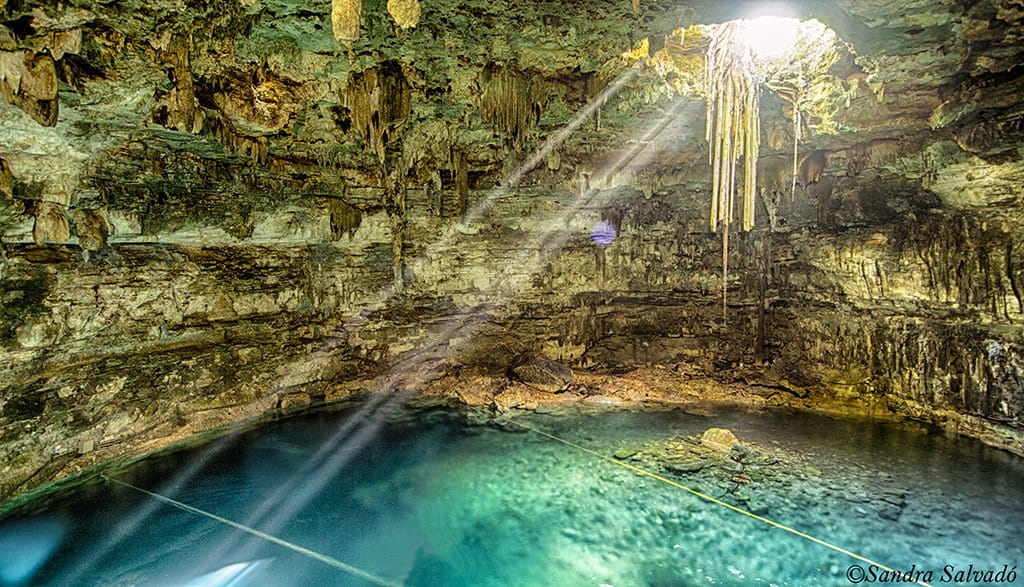
Samulá Cenote. Photograph: @Caminomascorto.

For example, in the Suytun cenote, also near Valladolid, the collapsed rocks were used to build a platform for visitors.
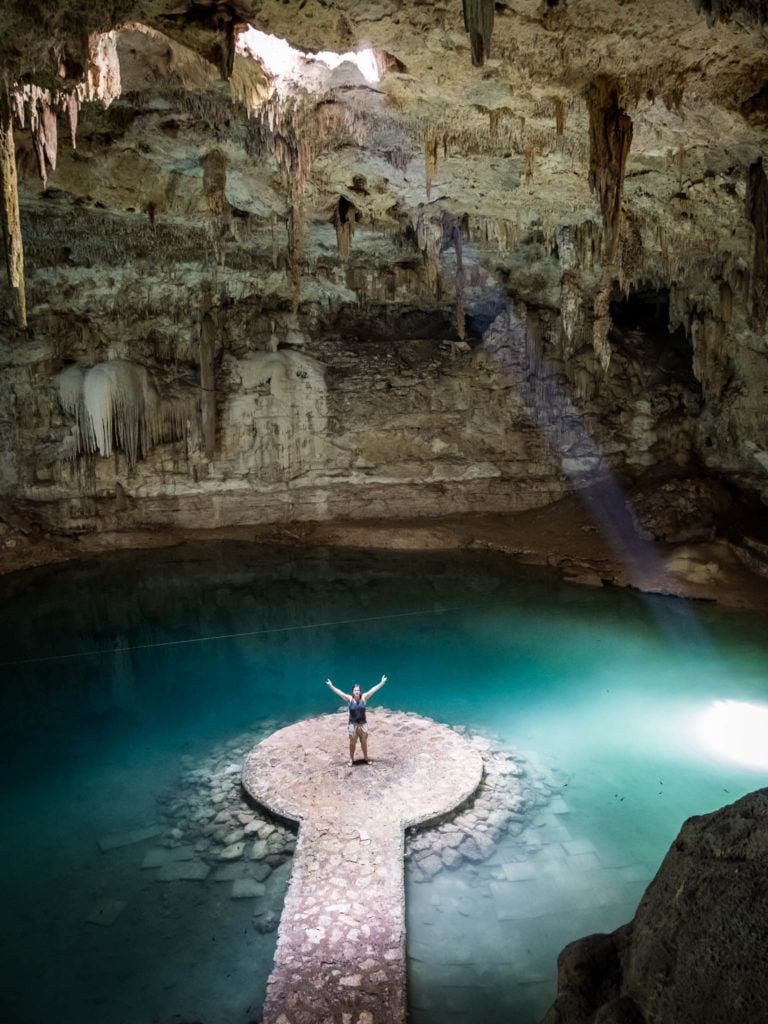
Suytun Cenote. Image: Fun&Travel.

The collapsing roof sections can be small or very large, leading underground to wide galleries or narrow water-filled passages. Cenotes are also entry points for light and organic matter into the hydrogeological system, interacting with groundwater.

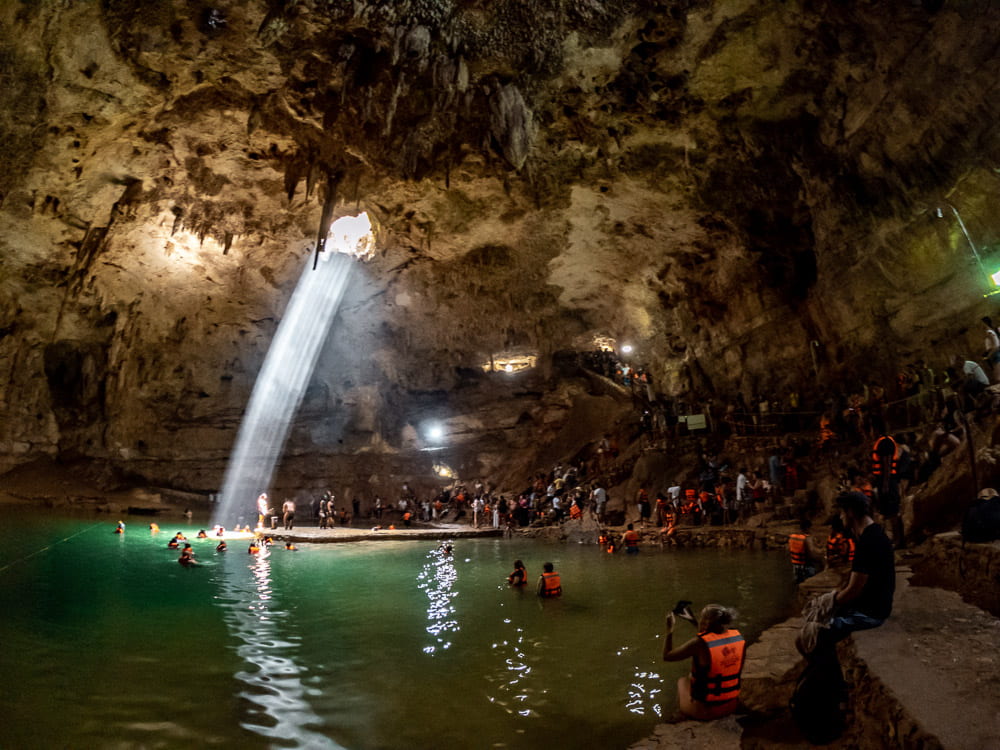
As seen, underwater cave systems discharge infiltrated water from the jungle into the Caribbean Sea. Occasionally, large sections of the cave roof near the coast collapse, forming “caletas” such as the well-known Xel Ha, Xcaret, and Yalkú, with significant groundwater flows into the ocean.

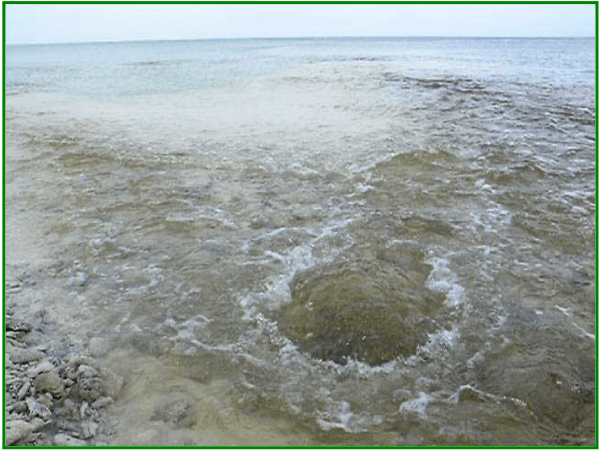
It can also happen that caves extend beyond the coastline and discharge ‘fresh’ water directly through openings in the shallow seafloor. These are called “ojos de agua” (water springs), which are very common, for example, in the Puerto Morelos reef lagoon.
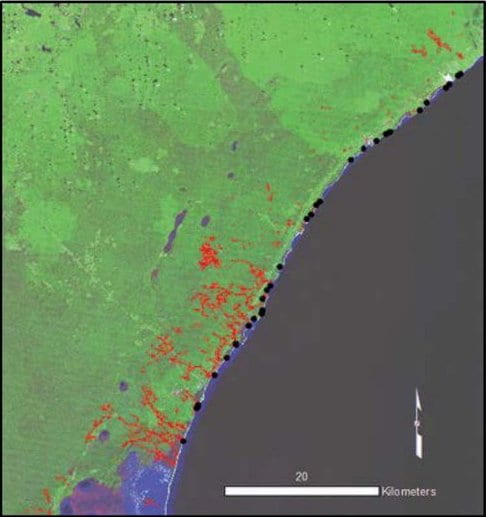
Distribution of coastal discharges and water springs in northeastern Quintana Roo. Black dots represent water springs, and red lines represent cave systems (Kambesis, 2016 / Cave data: QRSS).
Water spring in Puerto Morelos, Quintana Roo.

Between Akumal and Playa del Carmen, 330 km of passages in over 250 dry caves have been recorded, some just above the current sea level in the epiphreatic zone, which experiences periodic flooding. The largest is the Pool Tunich System (Río Secreto), with 51.9 kilometers in length. Within this 234 km² area, the cave density is 0.5 km/km².
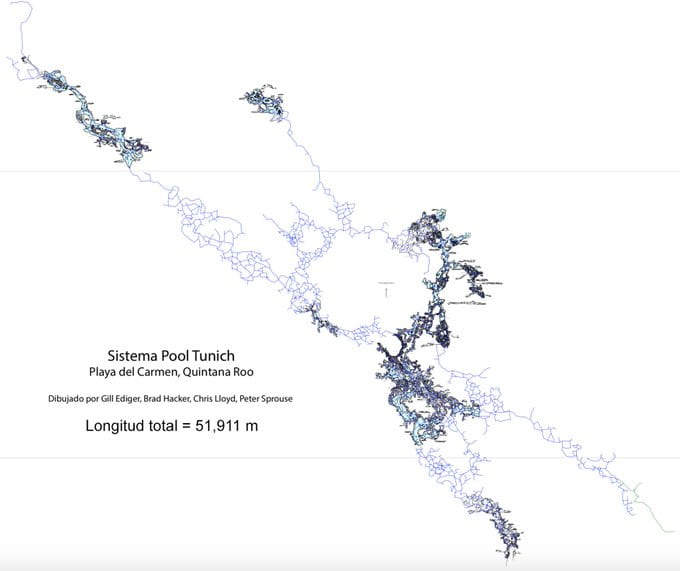
Pool Tunich System (Río Secreto). Peter Sprouse Teams, 2018.

Other dry cave systems include the Sac Muul System and the Alux System, which extends beneath Federal Highway #307 near Puerto Aventuras.
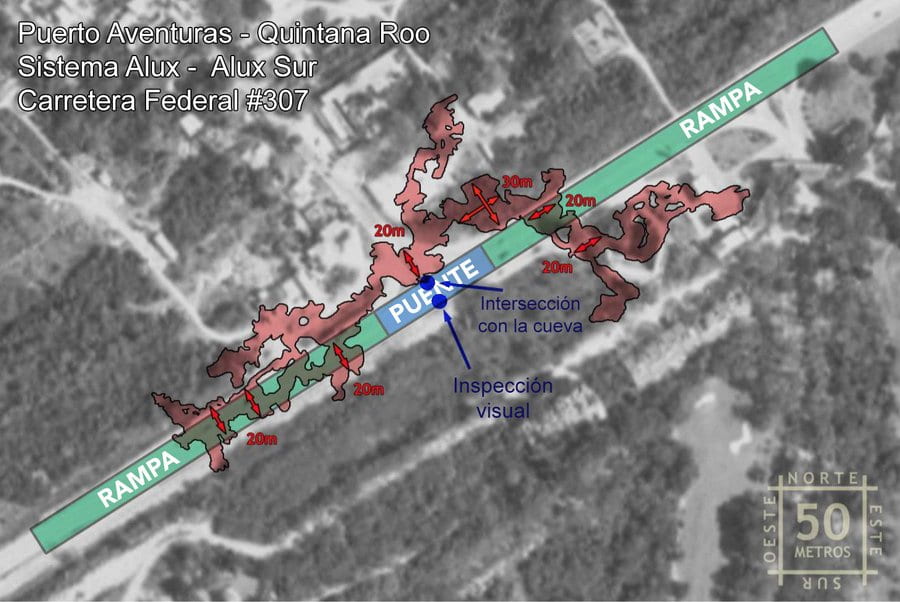
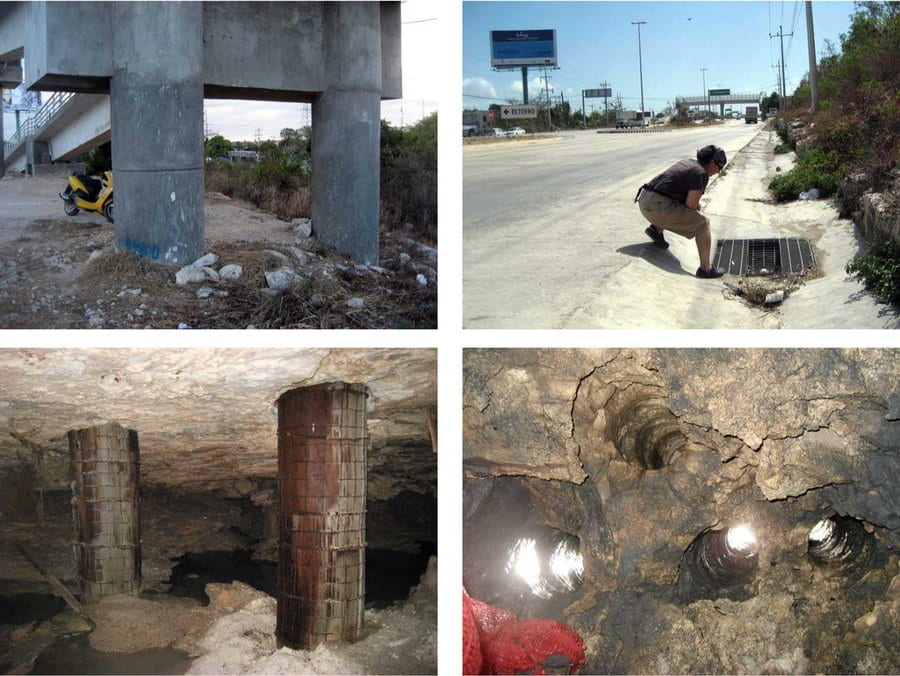
Alux Sur System, Puerto Aventuras, Quintana Roo (Alux Survey Team, 2008).

Risks in the Karst

In some places, the roof thickness is less than 1.5 meters. Inside the cave, it is possible to hear cars passing overhead on the highway. Like the Alux System, there are numerous cavities along Highway #307, as it coincides with the beach ridge, the edge with the highest elevation.

Collapses occur naturally and without warning; they are difficult to predict. Their frequency may increase if controls to ensure construction safety are lacking. Risks can be minimized by considering the region’s characteristics.


The high density of caves and cenotes within Tulum’s urban area poses a direct threat to the construction of large-scale tourism and housing developments, as in many sections, the cave roof is very thin. Protecting the Sac Aktun System—and many other equally important systems in the region—from human impact requires strict regulations on wastewater treatment in the Riviera Maya, construction oversight, and continuous hydrogeological research and monitoring of the region’s karst aquifer. This must undoubtedly be included in regional development policies and considered for future tourism and transportation projects.

For sustainable use of these systems, a comprehensive understanding of cenotes, caves, groundwater movement, and their interaction with the rocks forming the aquifer, the influence of the ocean and its tides (i.e., the study of the peninsula’s complete hydrogeological system), is necessary. It is also essential to assess the impact of urban areas and potential causes of contamination of the only water source available—groundwater. This pursuit must involve the convergence of environmental sciences, water sciences, earth sciences, biological sciences, the study and conservation of the underground conduit network, knowledge accumulated in communities, efficient resource exploitation, and, of course, sustainable exploration and use through cave diving.

Direct and indirect surveys and specific topographic studies are necessary to determine the location not only of extensive cave systems but also of scattered, isolated cavities, which are abundant throughout the karst region, for any large-scale infrastructure project.


“Entering a cave is an unforgettable experience. Caves speak to us of geology, biochemistry, paleontology, and archaeology. Caves teach us history, motivate us to learn about them, and inspire us to think about their future.”

Related links

https://divemagazine.com/scuba-diving-news/divers-discover-an-8000-year-old-skeleton-in-mexican-cenote

https://divemagazine.com/scuba-diving-news/divers-fear-tren-maya-train-could-destroy-cenotes

https://divemagazine.com/print-issues/tren-maya-destroying-yucatan-cenotes

Land of Cenotes
Suggested citation for this article:

Monroy-Ríos E (2019) Along the Routes of the “Tren Maya.” Karst Geochemistry and Hydrogeology – Personal Blog. Published on August 4, 2019. Accessed on: [dd/mm/yy]. https://sites.northwestern.edu/monroyrios/2025/05/09/along-the-routes-of-the-tren-maya/

References

Kambesis P & Coke JG (2016) The Sac Actun System, Quintana Roo, Mexico. Boletín Geológico y Minero127(1):177-192.

Lebedeva EV, Mikhalev DV, & Nekrasova LA (2017) Evolutionary stages of the karst-anthropogenic system of the Yucatán Peninsula. Geography and Natural Resources38(3):303-311. doi: 10.1134/S187537281703012X

QRSS (2018) List of Long Underwater Caves in Quintana Roo Mexico. Quintana Roo Speleological Survey. National Speleological Society (NSS). Consultada el 12 de julio de 2019.

Stinnesbeck W, Becker J, Hering F, Frey E, González AG, Fohlmeister J, et al. (2017) The earliest settlers of Mesoamerica date back to the late Pleistocene. PLoS ONE12(8): e0183345. doi: 10.1371/journal.pone.0183345

Veni, G. (1990) Maya Utilization of Karst Groundwater Resources. Environmental Geology and Water Sciences16(1):63-66. doi: 10.1007/BF01702224


Related Posts

Speleogenesis: How were caves and cenotes formed?

Sistema Sac Aktun – longest underwater cave

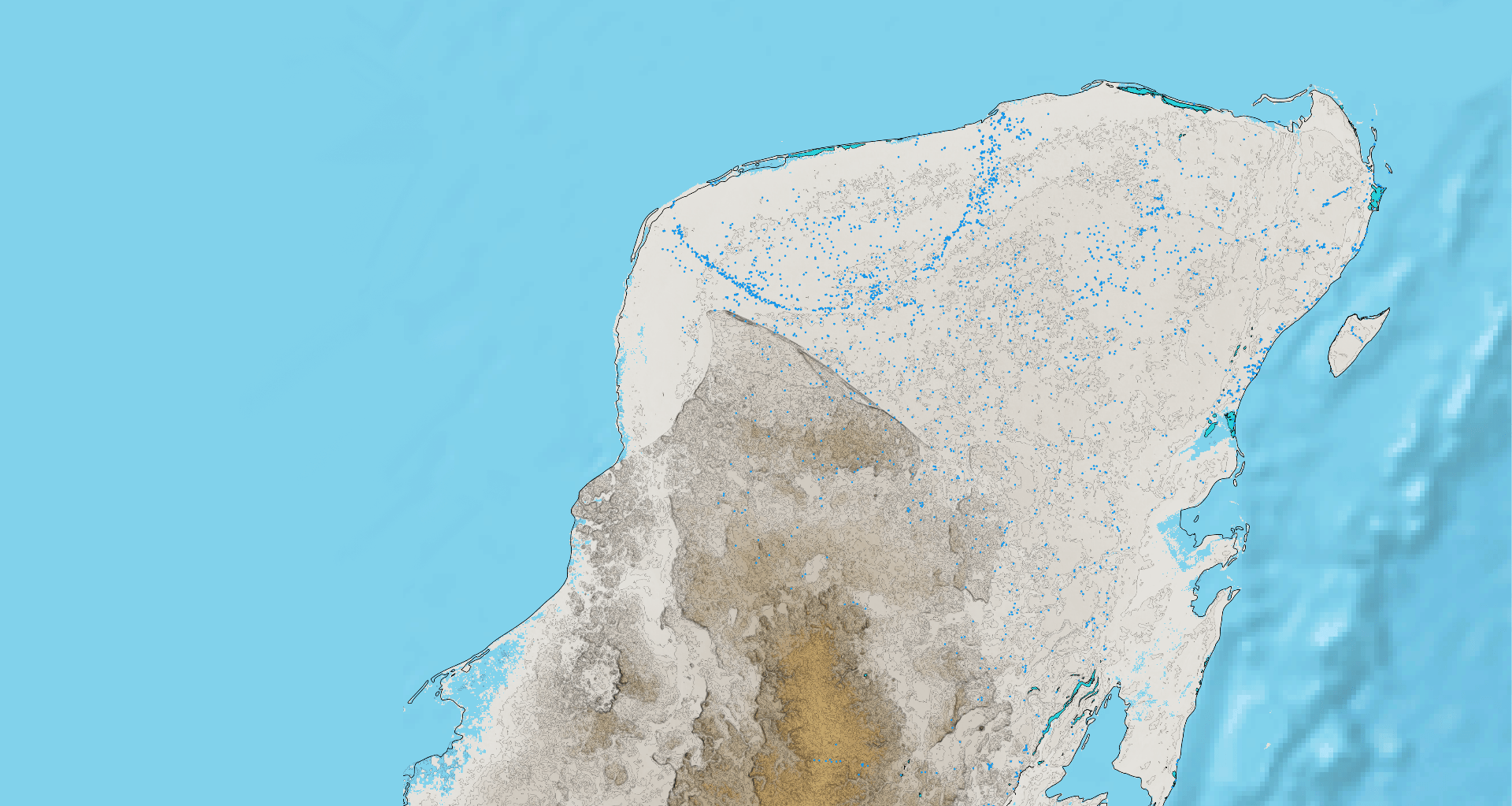
Ring of Cenotes

Water on Planet Earth: Aquatic biogeochemistry

Speleogenesis: How were caves and cenotes formed?

Cover photography by Jill Heinerth

Leer en español

One of the distinctive features of the northern Yucatán Peninsula is its almost flat topography, lacking valleys or mountains, and altitudes that barely exceeds 30 meters. The soil type consists mainly of limestone, or saskab (Maya word for “white soil”), which contains calcium and magnesium carbonates that are slightly soluble in water.

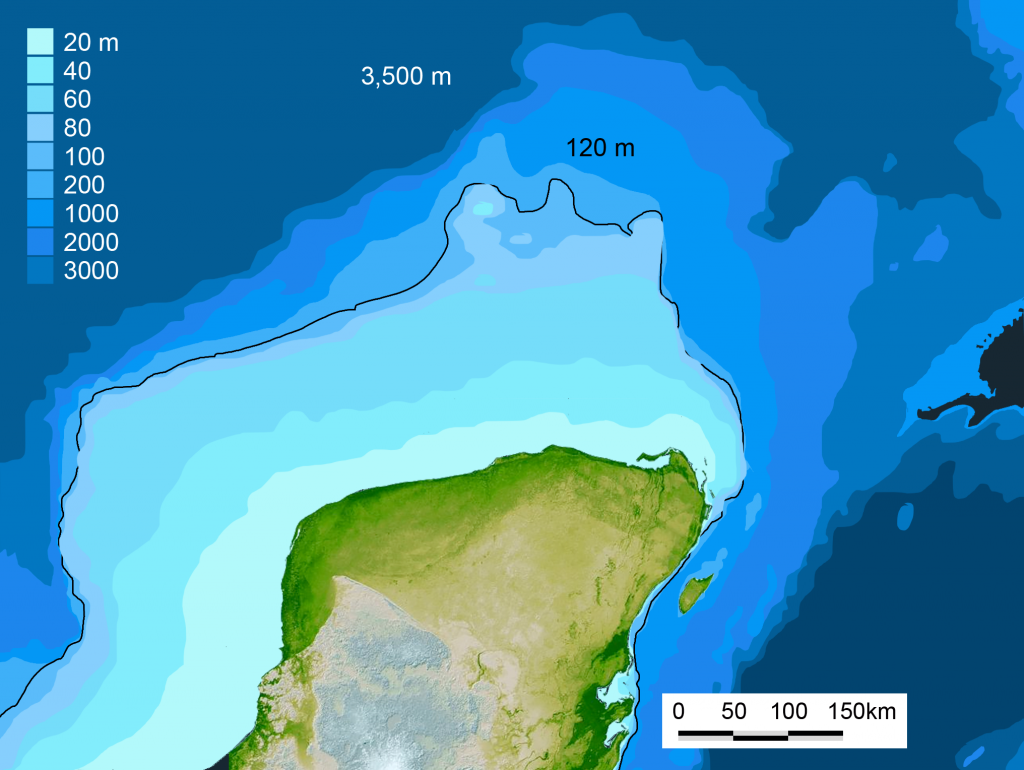
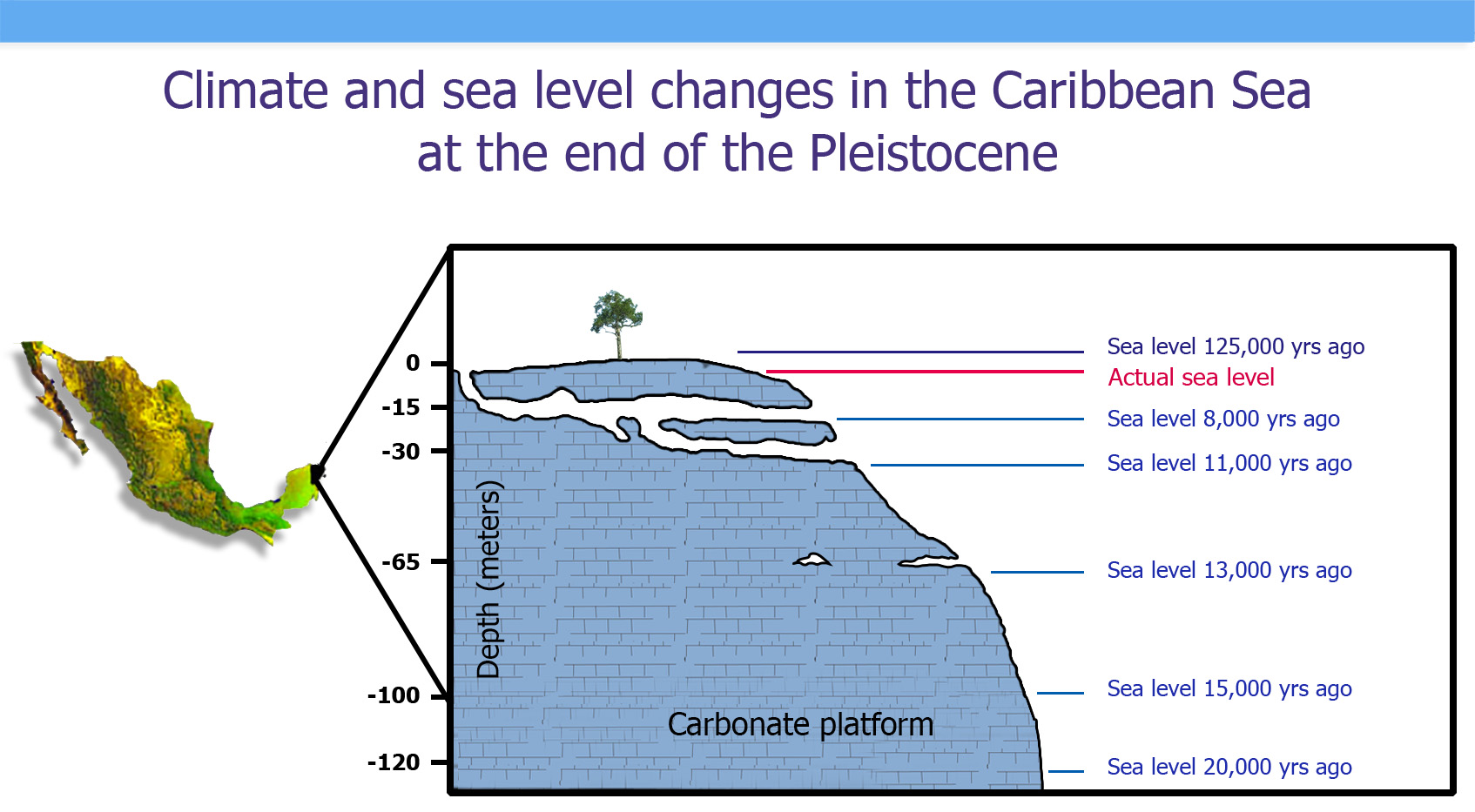
Millions of years ago the Peninsula was very different from how we know it today, as it has undergone radical modifications due to climate and sea level changes on the planet. An example of these changes was during the Last Glacial Maximum at the peak of the Ice Age – about 22,000 years ago – when the sea level was 120 meters below its current level, and many of the cenotes in which we can snorkel and dive today were dry. Since then, the level of the sea has been progressively increasing more or less gradually and many caves were flooded.

The portion that we inhabit today above sea level of the Yucatan Peninsula, is only the exposed part of the carbonate platform that was steadily growing from the seabed by accumulation of millions of skeletons of different marine organisms that use calcium carbonate to form their bones, shells, spicules and other parts of the body. Upon dying, they deposit on the bottom surface to compact and harden together with fine clays over millions of years. It is important to recognize that the growth of the platform happens through the deposition of biogenic carbonate, sourcing from living organisms, and moreover, that it involves a process that necessarily happens underwater across the submerged areas.

Peninsula_APSA

Figure 1. The Yucatan Peninsula is the portion that we observe above sea level of the Yucatan Platform, which has a much larger area. In the Riviera Maya on the eastern coast of Quintana Roo, the change in depth is very abrupt compared to northern Yucatan and the Campeche Sound towards the Gulf of Mexico, where the shallow platform extends for several kilometers. Bathymetry: Secretaría General de Oceanografía, Secretaría de Marina, Mexico (YUCATAN ’85). SRTM model of elevation: NASA (2000).

Sea level has changed position several times during different glacial periods; therefore, the growing Peninsula has not really “emerged from the sea” but has been exposed and submerged by the ocean on several occasions. However, it is recognized that every time a glacial cycle begins, the Peninsula effectively “emerges”, since the water of the oceans accumulates in the form of ice at the poles of the planet and the sea level drops, exposing a greater surface and increasing the coastline extent.

Figure 2. Changes in sea level during the last 800,000 years. The present is on the right. LFI (Last Full Interglacial); LGM (Last Glacial Maximum). Data from Siddall et al. (2003).

Currently, the term cenote is used to designate any underground space filled with water that contains an opening to the outside. The Maya people, who not only had knowledge of these manifestations of the land but used them daily as a source of water and farming, called them ts’ono’ot or d’zonot, which means “water deposit”. The freshwater supply in the Yucatan Peninsula has been and continues to be a serious problem for its inhabitants. Although more or less abundant rains fall during four months, the period of drought is usually severe and can last up to six months in some years. On the other hand, the calcareous geological origin causes that water is hardly conserved on the surface. For this reason, cenotes and cave systems constitute a primordial source of water for the region.

Figure 3. Cenote Xtacumbilxunan, in Bolonchén (‘nine wells of water’) Campeche. This town escaped the cholera epidemic of 1833. The only source of fresh water flows in the depths beneath thick layers of limestone. Lithograph by H Warren. Image published in “Views of Ancient Monuments in Central America, Chiapas and Yucatan” – Frederick Catherwood (1844).

In the present, although certain practices of veneration subsist, it is clear that it’s meaning is far from what it was for the ancient Maya. Nowadays, its value is mainly associated with tourism. It is known that Quintana Roo has several of the largest cave systems in the world. Recent explorations carried out by divers’ teams have uncovered hundreds of kilometers of underground conduits (it was recently announced a connection between two of the most extensive flooded cave systems on Earth —Sac Actun and Dos Ojos— now forming the world’s largest known flooded cave, with a length of 353 km, moving Ox Bel Ha to the second place).

Cuevas subacuáticas de Quintana RooFigure 4. Tulum metropolitan area is located between two extensive systems of underwater caves called Sac Aktun and Ox Bel Ha. Data: NASA/SRTM, INEGI, QRSS (2020)

Moreover, there is also a large number of dry caves of considerable length. We cannot ignore their existence if we want to coexist with them.

Figure 5. Light opening. Quintana Roo / Personal archive. EMR, 2011.

Sneaking into a cave is an unforgettable experience. The caves tell us about geology, biochemistry, paleontology, archeology, and history. Caves motivate us to know them and to think about their future.

How were cenotes formed?

Speleogenesis is the word used in speleology and geology to describe the mechanism of formation of all kinds of caverns and caves. One of the most accepted hypotheses about the origin of caves, cavities, sinkholes, depressions and cenotes, proposes a sequence of steps in a process called karstification, which consists of the combination of at least three mechanisms: dissolution, collapse and recrystallization of the limestone.

1) In the first step, the rock is dissolved by rainwater acidified by absorption of the carbon dioxide (CO2) both from the air, as well as from the decomposition of organic matter in the soil (leaves, branches, dead animals, bacteria). When mixed with salt water increases its corrosive power. Where the deep salty and superficial layers of fresh water meet, called halocline, is where the greatest dissolution of limestone happens, forming an extensive network of conducts, caves and caverns. Cave divers can see that generally just above the halocline the caves are generally wider, a sign that the dissolution is greater at that depth and that is a continuous developing process,  still happening.

Read a more detailed description of these reactions

Acidified rainwater dissolves calcium carbonate from limestone more easily and forms calcium bicarbonate, a much more soluble compound. Another type of solution, but of biological origin, is that which occurs inside some deep cenotes where specialized bacteria decompose the organic matter producing hydrogen sulfide (H2S), a powerful corrosive gas, and when dissolved and concentrated on the surface of the halocline, it is observed in the form of a “smokey cloud” that is very toxic for oxygen-breathing organisms like us. Upon contact with the surface layer, which may contain little amounts of dissolved oxygen, hydrogen sulfide is transformed into sulfuric acid (H2SO4), also a strong and corrosive acid.Figure 6. Karstification mechanisms. Source: McColl et al. (2005). Geological Survey of Canada .

2) In the second mechanism, when the sea level has dropped during glacial periods, the hydraulic head of the aquifer, the freshwater lens, also drops leaving submerged caves now full of air where, lacking support, different sections of the roof can collapse forming a sinkhole or cenote. At the end of the glacial period, the poles thawed and sea level rose and many passages and caves were flooded again.

Figure 7. Changes in sea level at the end of the Pleistocene epoch, which began 2.5 million years ago setting up the modern glacial periods. When the sea level changes, the position of the halocline also changes and the cave systems begin to form and extend. Modified by González-González et al (2008) and Blanchon & Shaw (1995).

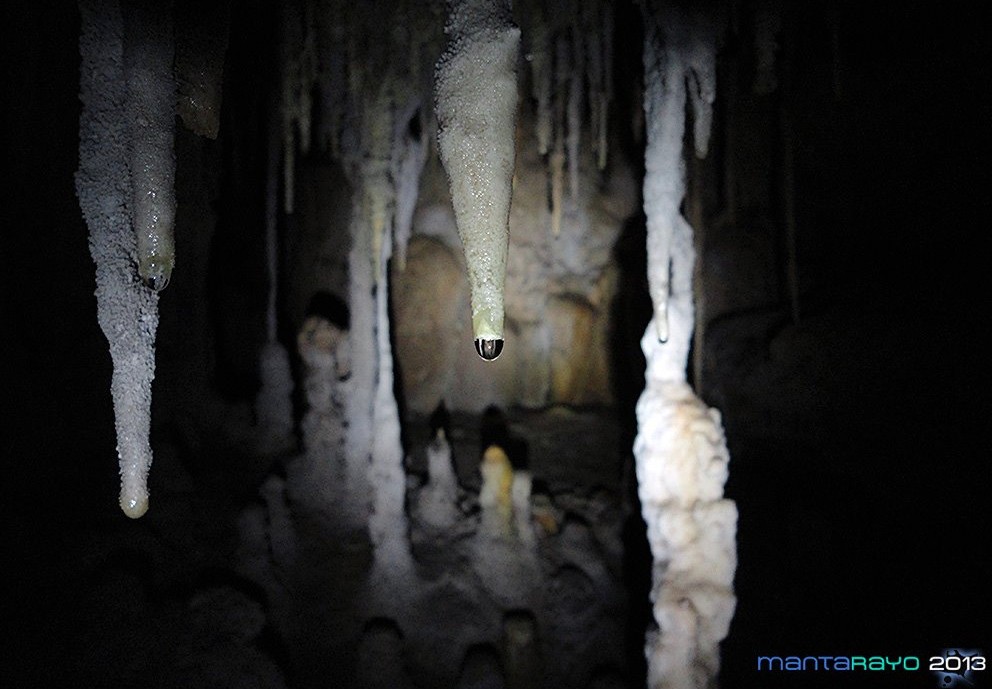
3) Finally, the third step associated with the process of karstification is responsible for the formation of stalactites, stalagmites, columns and other speleothems, by accumulation of dissolved material sourced by the first step. Degassing is also involved in the formation of speleothems: Water filters through the rocks and enters the cave environment, very different from that of the outside, and expulsion of CO2 from water causes calcium carbonate precipitation. In the case of flooded caves, this process no longer happens. The degree of karstification depends on factors that operate with different spatial and temporal scale, which allows a great variety of shapes and decorations in the cave systems.

Figure 8. Drop of water with dissolved calcium carbonate, suspended from the central channel of a stalactite. Quintana Roo / Personal archive. EMR, 2015.

Having these mechanisms in mind, we can say that the formation of some cenotes is generated through a sequence of events: first of all, a network of passages, conduits and cave system is formed by water carving its way out to the ocean dissolving the carbonate rock. This flooded cave can form a cavern-type cenote due to partial subsidence of the roof. This process advances from above, by infiltration of the rain and from below, by underground circulation. Then, the entire roof collapses forming a cylindrical cenote (although many cylindrical cenotes can have a bottom-top hypogenic origin, keep reading below); if sediments and debris interrupt the flow, a body of stagnant water called aguada, is formed. However, scientists prefer to classify caves, sinkholes and cenotes by their mechanisms of formation -their espeleogenesis- rather than by their present morphology.

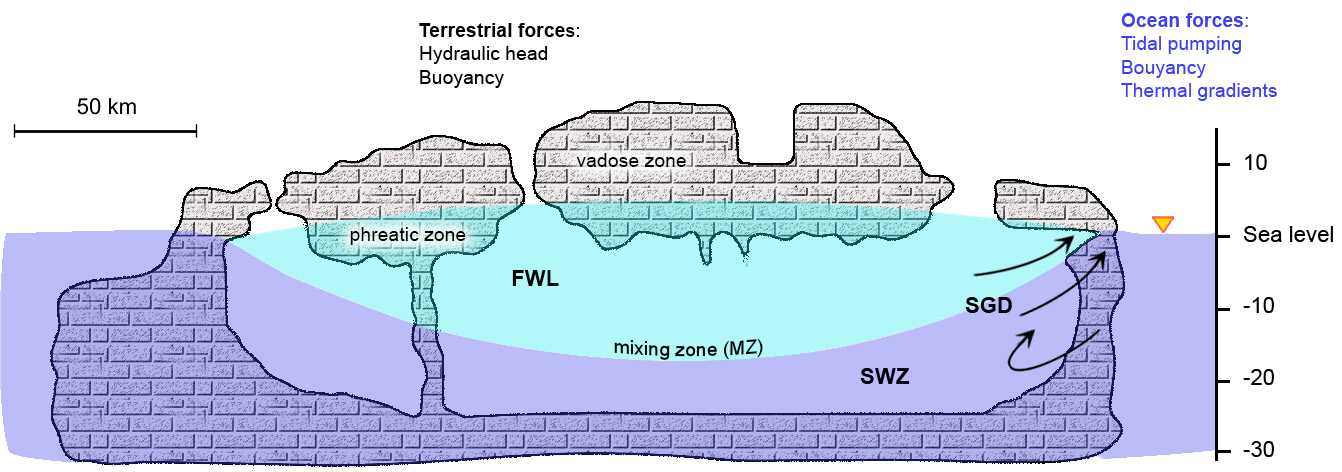
The halocline stratifies the cenote: it functions as a physical barrier that isolates the layer of fresh water from the deep saline waters. In the coastal sinkholes, the deep marine layer is not always really stagnant, but can circulate driven by tides and storms through channels connected to the sea (a very clear case is the discharge from Cenote Manatí to the shore in Tankah). We also observe freshwater springs called “ojos de agua” discharging fresh water to the ocean and exchanging salt water along the reef lagoon in Puerto Morelos and on the shallow water beaches south of Tulum.

Figure 9. Diagram of the Yucatan Peninsula, where the groundwater is separated into two layers of different salinity and density: the shallow freshwater lens and the deep saline intrusion that filters through the rock. The mixing zone between the two layers is called halocline. SGD: Submarine Groundwater Discharge surfaces creating  freshwater springs at the adjacent coastal ocean. EMR, 2015.

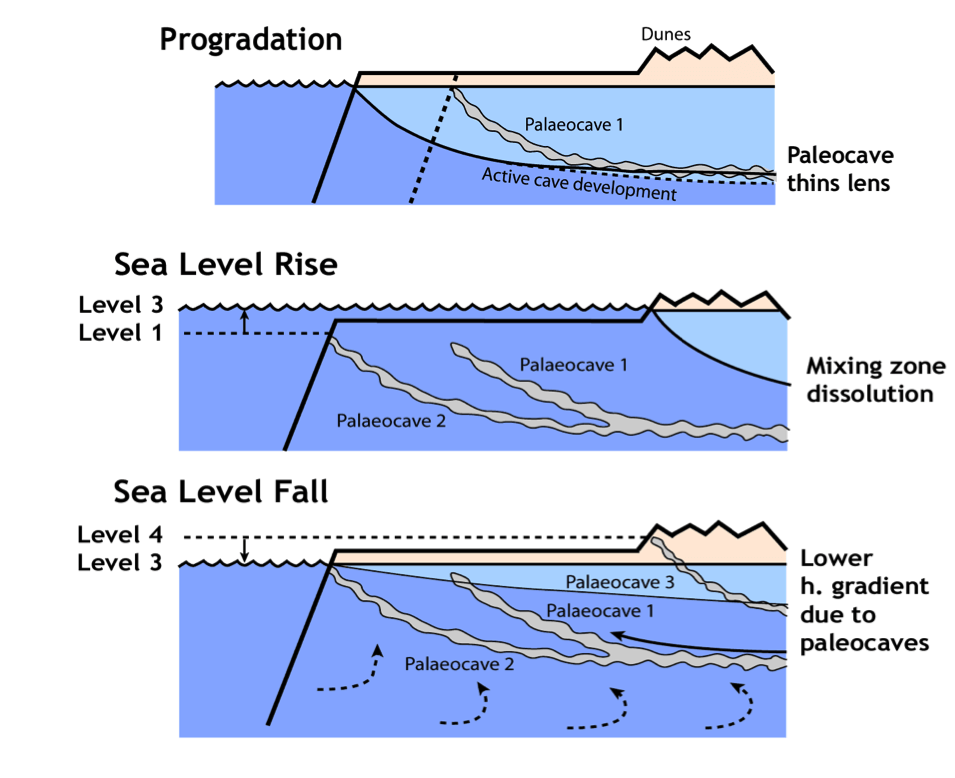
The largest dissolution occurs in the halocline zone, the contact between fresh and salt water, which rises or falls depending on the sea level. For this reason there are different levels of horizontal caves (for example, in the “Dos Pisos” system). By changing the sea level, the halocline moves and begins to dissolve the rock at a different depth, thus beginning another “level” of passages.

Figure 9. Mechanism of formation of different levels of caves: initiates the development of the cave at the depth of the halocline; as the sea level rises, the caves develop higher up, near the beach dunes; When the sea level decreases, these caves remain dry and the lower ones are submerged. The hydraulic gradient decreases and the freshwater lens thins.

Cenotes are complex aquatic systems generated by the dissolution of carbonates and other minerals in the rock, so in geology they are also called dissolution lakes, although in reality some cenotes are more similar to rivers or estuaries rather than lakes, since they have connections to underground ramified streams that favor the circulation of water. These types of aquatic systems, where fresh and salt water coexist, are called anchialine.

The intermittent collapses along the different cave systems of the Peninsula create open windows towards the surface where we can enter and dive submerged conduits and passages. Generally the cenotes in the eastern part of Quintana Roo are formed by the collapse of cave systems formed over very long periods of time, when the depth of the halocline has remained for a long time more or less in the same position, extending horizontally. Popular cavern and cave diving destinations in the Riviera Maya such as Sistema Sac Aktun (recently connected to Sistema Dos Ojos), Sistema Ponderosa, and Sistema Ox Bel Ha belong to this category.

Cenotes_AGU_a

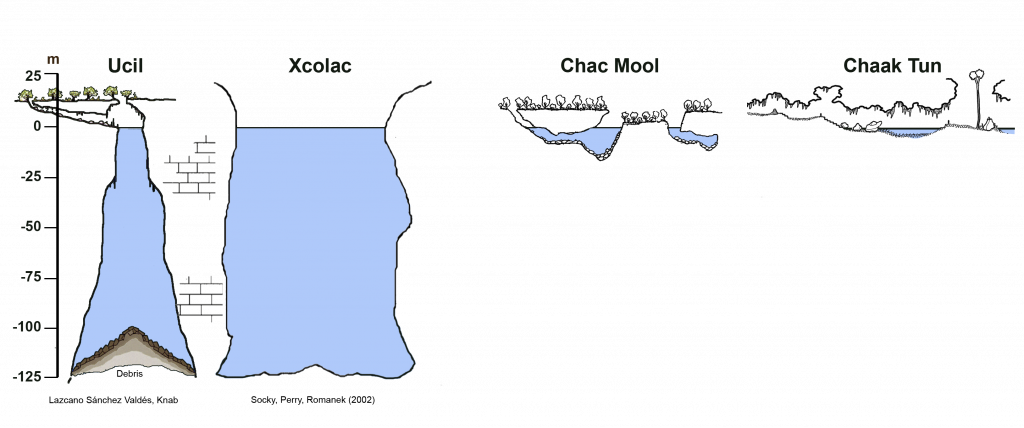
Figure 10. Comparison of different types of cenotes with different formation mechanisms. Left: Pit-cenotes that predominate in the center of the Peninsula and along the Ring of Cenotes. In them, deep flowing water circulation is probably involved, favoring the dissolution of the rock from below advancing upwards. Right: Morphology of the most common cenotes found in the “Riviera Maya”, the eastern coast of Quintana Roo. These cenotes are the entrance to systems of shallower caves normally presenting wide galleries and branched passages. EMR, 2015.

Another type of cenotes, more common in the center of the Peninsula, like those located at the Ring of Cenotes, are the so called pit-cenotes (although there are some pit-cenotes in Quintana Roo, for example the Blue Abyss or The Pit, which exceed 120 meters deep) where its formation mechanism surely involves deep water circulation, growing from the bottom up, a process acting from below.

Datos: NASA/INEGI/SEDUMA

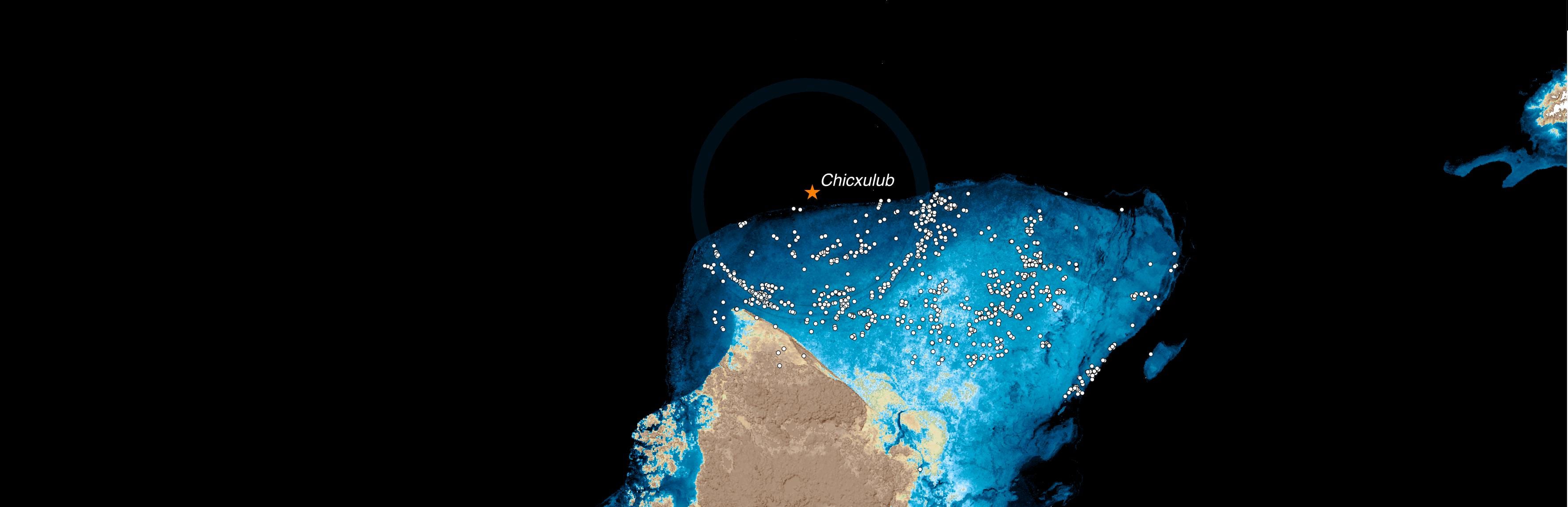
Figure 11. Some of the cenotes of the “Ring of Cenotes” in the northwest part of the Yucatan Peninsula. Chicxulub shows the approximate location of the center of the crater created by the impact of the meteorite 66 million years ago. EMR (2018).

To achieve a sustainable use of these systems, it would be ideally to acquire a comprehensive understanding of cenotes, caves, groundwater circulation and its interaction with the rocks that form the aquifer, and the influence of oceanic tides. It is also necessary to evaluate the impact of urban areas and the possible causes of pollution of the only source of fresh water in that area, which is precisely groundwater. Research efforts on study and conservation of the underground network of conduits must occur by convergence between environmental sciences, water sciences, earth sciences, biological sciences, joining forces with local communities, efficient exploitation of resources and, of course, exploration and sustainable use by cave diving.

***

An award-winner picture from Nature’s The best science images of the year 2017 shows a cave diver penetrating the underground aquatic systems in the eastern coast of the Yucatan Peninsula. We can see dead trees resting quietly at the bottom.

ORANGE ABYSS: Heavy rains and run-off from surrounding forests give this underwater cavern — the Cenote Aktun Ha (Carwash) off Tulum on Mexico’s Caribbean coast — its eerie tannic glow.

Credit: Tom St George/Caters News


Suggested way to quote this article:

Monroy-Ríos E (2017) Speleogenesis: How were caves and cenotes formed?
Karst Geochemistry and Hydrogeology – Personal blog. Published on Dec 26, 2017. Accessed: [dd / mm / yy].
https://sites.northwestern.edu/monroyrios/2017/12/26/speleogenesis/


References

Blanchon P & J Shaw (1995) Reef Drowning during the Last Deglaciation: Evidence for Catastrophic Sea-Level Rise and Ice-Sheet Collapse. Geology 23: 4-8.

González-González AH, C Rojas-Sandoval, A Terrazas, M Benavente, W Stinnesbeck, J Aviles, M de los Ríos & E Acevez (2008) The Arrival of Humans on the Yucatan Peninsula: Evidence from Submerged Caves in the State of Quintana Roo, Mexico. Current Research in the Pleistocene. Special Report. 25: 1-24.

NASA (2000) Shuttle Radar Topography Mission. Colored elevation SRTM model of the Yucatan Peninsula.

QRSS (2016) Quintana Roo Speleological Survey. Actualizada el 19 Abril, 2016. Consultada el 15 mayo 2016.

Siddall M, J Chappell & EK Potter (2007) 7. Eustatic sea level during past interglacials. Developments in Quaternary Sciences 7: 75-92.

cave_yo_banner_sm800


Ring of Cenotes

Sistema Sac Aktun – longest underwater cave